Posted by Ashley Baal on February 6, 2012
You’ll make your hunny fall even more in love with you after you cook them this delish gluten-free meal!
Main Course: Fish with Tomatoes, Olives, and Capers
Ingredients
- 4 teaspoons olive oil, divided
- 4 (5-ounce) sea bass fillets (or other white fish)
- 1 small onion, diced
- 1/2 cup white wine
- 1 plum tomato, diced
- 1/2 cup chopped pitted black olives
- 2 tablespoons capers
- 1/4 teaspoon dried crushed red pepper, optional
- 2 cups packed fresh baby spinach leaves
- Salt and pepper
Directions
In a large nonstick skillet heat 2 teaspoons of oil over a medium-high heat. Add fish and cook until opaque in the center, about 2 1/2 minutes per side. Transfer the fish to a platter and tent with foil to keep the fish warm.
Heat the remaining 2 teaspoons of oil in the same skillet; add onion and sauté for 2 minutes. Add the wine and cook until reduced by half, about 2 minutes. Add the tomatoes, olives and capers and crushed red pepper, if using, and cook for 3 minutes more. Stir in the spinach and cook until it is wilted, about 3 minutes. Season with salt and pepper. Spoon the sauce over the fish and serve.
Side Dish: Green Beans with Lemon and Garlic
Ingredients
- 2 pounds green beans, ends trimmed
- 1 tablespoon extra-virgin olive oil
- 3 tablespoons butter
- 2 large garlic cloves, minced
- 1 teaspoon red pepper flakes
- 1 tablespoon lemon zest
- Salt and freshly ground black pepper
Directions
Blanch green beans in a large stock pot of well salted boiling water until bright green in color and tender crisp, roughly 2 minutes. Drain and shock in a bowl of ice water to stop from cooking.
Heat a large heavy skillet over medium heat. Add the oil and the butter. Add the garlic and red pepper flakes and sauté until fragrant, about 30 seconds. Add the beans and continue to sauté until coated in the butter and heated through, about 5 minutes. Add lemon zest and season with salt and pepper.
Dessert: Vanilla Poached Pears
Directions
Make dessert in just 15 minutes: Peel, halve and core 4 pears. Put in a shallow dish with 1 cup white wine, 2/3 cup sugar, 2 strips grapefruit zest and 1 split vanilla bean. Cover with plastic wrap; microwave about 10 minutes. Serve the pears with the vanilla syrup; top with whipped cream, if desired.
Pair this meal with some white wine and a good movie, you’ve got the perfect, romantic Valentine’s Day Night. Enjoy!
www.foodnetwork.com
Posted by Ashley Baal on January 30, 2012
How many servings of color are in your diet? Studies show that people that consume a proper amount of fruits and vegetables have a lower risk of illnesses such as heart disease, stroke, certain cancers, Type II diabetes and hypertension. Veggies such as broccoli, spinach, kale, and turnip greens, butternut squash, carrots, peppers, zucchini and fruits such as oranges, apples, pears, berries, bananas, and tomatoes are very rich in vitamins, minerals and fiber. These nutrients will improve nervous and muscular functions, boost the immune system, promote healthy eyes, aid in weight loss, help fight chronic fatigue, and promote healthy eyes, skin, teeth and bones.
Colorful fruits and veggies contain high-octane essential vitamins, such as:
- Folate or folic acid. Folate is a B vitamin that helps produce and maintain new cells, helps make new red blood cells, and helps prevent changes to DNA that leads to cancer.
Sources: Leafy greens, citrus fruits
- Potassium. This aids in the transmission of nerve impulses, helps build healthy muscle, and promotes healthy heart activity.
Sources: Leafy green veggies, orange veggies, bananas, apricots, oranges and avocados
- Vitamin A. This vitamin plays an important role in the formation of bones and teeth, as well as improves bight vision, promotes health skin, and assists in proper function of the immune system.
Sources: Leafy green veggies, carrots, butternut squash, cantaloupe, mango
- Vitamin C. This useful vitamin helps heal wounds, prevents cell damage, and strengthens the immune system.
Sources: Citrus fruits, tomatoes, berries, leafy green veggies, red and green peppers
- Magnesium. This essential mineral supports normal nerve function, as well as normal contraction and relaxation of muscles.
Sources: Apples, apricots, avocados, bananas, leafy green veggies
- Fiber. Diets high in fiber can keep heart disease, diabetes, diverticular disease and constipation at bay.
Sources: Apples, pears, berries, carrots, cucumbers, zucchini, celery and tomatoes
How much is enough? On average 2-3 servings of fruit and 3-4 servings of vegetables, depending on age and individual level of activity. This amounts to about ½ cup to a full cup of fruits or veggies per serving. Need some ideas?
- Add some spinach or tomatoes to your omelet
- Try some berries or bananas in your cereal
- Have an apple with lunch
- Use avocado instead of mayo on your turkey sandwich
- Add some color to your salad with tomatoes, carrots and peppers
- Snack on baby carrots between meals
- Trade in your Idaho potatoes for a sweet potato
- Make a tropical fruit salad for a dessert
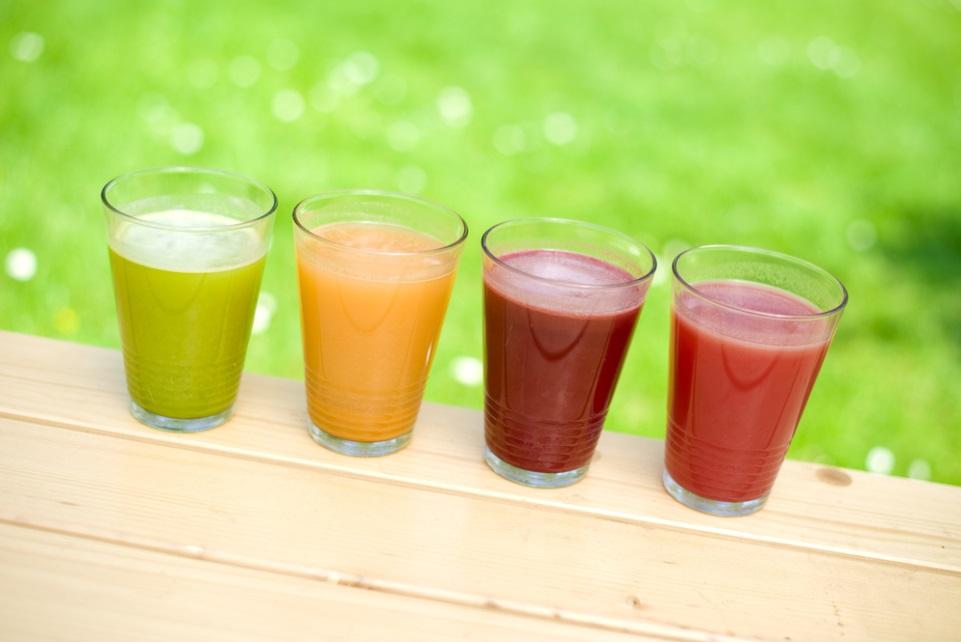
As a general rule, whole foods are the best way to get the full nutritional value of fruits and vegetables. Juicing is another way to get these essential nutrients in your diet, but not only do you lose the produce’s natural fiber in the process, but it’s costly and time consuming as well. Supplements are quick and easy, however pills usually contain preservatives, and do not fully absorb into the body as readily as fresh fruits or vegetables would.
So grab and banana, snack on some carrots, and experiment with different veggies. Adding some color to your diet will be the tastiest and healthiest decision you make!
Posted by Ashley Baal on January 16, 2012
Specific nutrients that reduce cholesterol:
1. Lecithin
-A good source of Choline
-Found in most legumes such as soy beans and mung beans
2. Vitamin E
-Whole grains and breads contain the freshest type of this vitamin
3. Dark green vegetables
-Preferably steamed 2-3 minutes
-Kale, collards, chard, parsley, spinach, artichoke…
4. Whole grains and beans
-Plant fiber in whole grains help reduce the fat in the blood and prevent hardening of the arteries
-Nearly all beans and peas are beneficial (lentils)
-Grains with a bitter flavor are rye, quinoa, amaranth and oats
5. Vitamin C
-Found in sprouts, cabbage, fresh parsley, bell peppers, broccoli, celery, all citrus fruits
6. Niacin
-Unprocessed whole grain breads
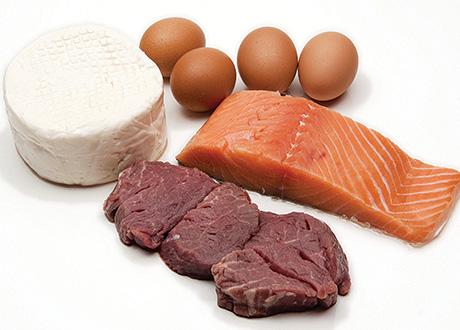
7. Omega-3 Fatty Acids (found in fish and nuts)
-Eat 7-10oz of fish weekly
-Salmon, Mackerel, Sardines, Lake/Rainbow Trout, Tuna
Oils
-Flax seed oil as well as flax ground meal (4 tbls/day)
- Olive oil has the highest amount of monounsaturated fat which reduces LDL
- AVOID common polyunsaturated oils such as corn, sunflower, safflower, soy linseed, soy flax and walnuts
FYI:
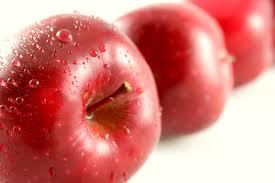
*Foods with pectin (a fiber) aid in eliminating cholesterol from the digestive tract. Some examples of foods with pectin are apples, cherries, and carrots.